Do you hear that ringing? Understanding Tinnitus
Dr. Melissa Menzies, Au.D. • July 2, 2026
The body content of your post goes here. To edit this text, click on it and delete this default text and start typing your own or paste your own from a different source.

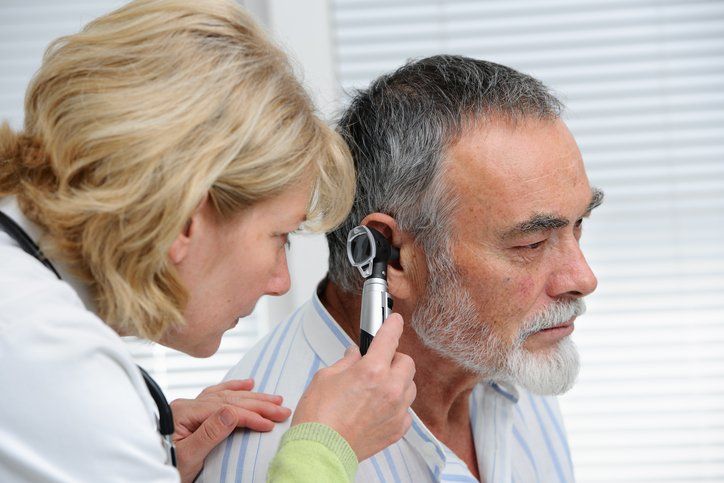
Understanding Online Hearing Tests Online hearing tests are a basic assessment of your hearing health that can come in two forms: a questionnaire or a simplified test using headphones and/or your computer. Many options are available for you to be able to complete a hearing test online. However, before you consider an online hearing test, there are some things to consider. Pros and Cons On one hand, online hearing tests are convenient and accessible. You can complete them almost anytime and anywhere. They may help identify potential mild to moderate hearing loss. Online hearing tests completed with beeps and tones may also help you understand the area or frequency of hearing loss that you may be struggling with. They may also help identify if you have an asymmetry (difference between your ears) that you may not have known about. On the other hand, online hearing tests can also provide some drawbacks. Online hearing tests are limited and may not provide an accurate assessment of your hearing abilities or overall hearing health and hearing care needs. They can’t determine the reason for your hearing loss or diagnose underlying hearing conditions such as, earwax, medical condition, medical conditions, or other underlying issues. Additionally, online hearing tests do not assess your understanding of speech in quiet and background noise. Importance of Comprehensive Hearing Evaluations with an Audiologist at Bieri Hearing Specialists A comprehensive hearing evaluation with an audiologist will provide more information regarding your hearing health and needs. At Bieri Hearing Specialists, our comprehensive hearing evaluations for adults experiencing hearing loss or hearing difficulties include an assessment of your ears for wax or other visual concerns, comprehensive case history, tinnitus questionnaire, tympanometry (assessment of eardrum), pure tone air and bone frequencies, speech understanding in quiet and in noise, hearing handicap assessment, and dexterity screenings. What really matters is getting a clear picture of your hearing difficulties or hearing loss. Think of an online test as taking a picture of your current hearing problem, but it's a little blurry. An audiologist can help you complete that picture and make it clearer by filling in some of the blanks that an online hearing test would not be able to provide. There is a Time and Place There is an appropriate time and place for online hearing tests as an initial hearing screening. They are a great tool for starting your hearing journey and recognizing possible hearing loss. Always remember, like any other medical profession, it is always important to talk to the professional, in this case an audiologist. Our audiologists at Bieri Hearing Specialists are always here to help you and provide the best professional hearing healthcare including comprehensive hearing evaluations and hearing tests, possible. Source: "Online Hearing Tests: How Reliable Are They?" Rhodes Center for Better Hearing , 15 Jan. 2025, https://better-hearing.com/online-hearing-tests-how-reliable-are-they/. Source: Godman, Heidi. "Should You Try a Do-It-Yourself Hearing Test?" Harvard Health Publishing , 1 Sept. 2024, https://www.health.harvard.edu/healthy-aging-and-longevity/should-you-try-a-do-it-yourself-hearing-test

Have you ever gotten your hearing checked, or if you have, has it been several years since your last checkup? For most people without any significant hearing issues, annual hearing checks are a low priority. However, this is not the best way to preserve your hearing. Doctors suggest getting an annual hearing screening after you turn 21, before any issues start to arise. Some doctors perform simple checks during physicals, but seeing a specialist will give you an added benefit. A hearing screening is more in-depth than a regular test. This screening actually tests you to see if you need additional evaluation afterward. Thanks to the simple pass/fail system, you’ll know right away if you need additional screening. If you’re concerned about your hearing, receiving a screening will be your best option. What leads to hearing loss? Hearing loss is the third most common health problem in the U.S. In fact, according to the Better Hearing Institute , up to 30% of people over age 60 experience hearing loss. Certain medical conditions, such as diabetes and heart disease, have been linked to hearing loss. But mostly, people lose their hearing from everyday life and noises. There are few cures for hearing loss, which means that prevention is the key. Having a hearing screening every year is ideal to ensure that your hearing is working well and address any small issues before they become big ones. Musicians, miners, soldiers, carpenters and farmers are just a few of the people who often experience hearing issues. Those who frequently take antibiotics, chemotherapy, aspirin, loop diuretics, erectile dysfunction medication, and other medications are also at risk. If you believe you might be at risk for hearing loss, the best option is to catch it early on and learn more from your doctor. The staff at Bieri Hearing Specialists can help you prevent hearing loss with our hearing screenings. Contact us to schedule an appointment today.

As you age, your hearing starts to decrease, but prolonged loud noise will also aid to hearing loss. When the tiny hair cells in your inner ear are damaged, it’s virtually impossible to repair them, which leads to hearing loss and deafness. It is essential that you prevent noise-related damage that is caused from loud noise as much as possible. If you work in an industry that is loud, you must wear correct ear protection to protect your hearing. You can also come and get hearing screenings periodically to check on your hearing and talk with our hearing specialists about ways to protect your hearing. Tips for Safer Listening Use earplug/protection on the job: If you work in construction, you must wear ear protection at all times while on the jobsite. Use the 60:60 rule: while listening to music, play it at 60% maximum volume for no longer than 60 minutes a day. Be careful in the car: keeping your windows up while listening to music creates a confined space that can hurt your ears. Try turning the volume down. Give your ears a rest: your ears may need up to 16 hours of quiet to recover from a loud night at the bar or at a concert. Take some time to let your ears rest will help you from experiencing hearing injuries. Don’t use cotton swabs: never stick a cotton swab into your ear canal. Your ears are self-cleaning organs and wax in your ears is normal. Here at Bieri Hearing Specialists, we want to protect you from hearing loss. Please get educated on the steps you can take to lessen your chances of having hearing loss. If you have any questions or want to learn more, feel free to call our office to talk with our hearing specialists. We look forward to hearing from you soon.

Hearing ringing, buzzing, clicking, or hissing sounds when no external sound is present are signs of tinnitus. These sounds can come and go, or be bothersome all the time. This health condition is commonly caused by age-related hearing loss, exposure to loud noises, earwax blockage, or abnormal bone growth. Some less common causes include Meniere’s disease, TMJ disorder, head injury, neck injury, and acoustic neuroma. Tinnitus can negatively impact your quality of life, so it’s best to see a hearing specialist. In the meantime, there are coping strategies you can try: Avoid Irritants Excessive noise, nicotine, caffeine, alcohol, and aspirin can aggravate tinnitus. If you work in a loud environment, wear ear protection to minimize your exposure to loud sounds. Relax A white-noise machine with soothing sounds of a waterfall, ocean waves, birds, etc. can help you relax and fall asleep. Even turning on a fan at night can help. Try Hearing Aids Since hearing aids amplify other sounds, they can draw attention away from the tinnitus. Talk to us about how hearing instruments can be helpful. Manage Stress Stress can intensify tinnitus symptoms, so take some time to devote yourself to stress management techniques. Whether it’s getting a massage, going to a yoga class, or taking a walk, stimulating endorphins can help. The best way to address any hearing problem is to sit down with hearing specialists, like us, for a hearing screening. At Bieri Hearing Specialists in Saginaw, MI, audiology is our area of expertise. Together, we can discuss your tinnitus symptoms, possible causes, and coping mechanisms to try and relieve you of any discomfort.
If you have suffered hearing loss in one or both ears and don’t like the idea of wearing traditional hearing aids, Bieri Hearing Specialists can provide you with hearing screenings to determine if Cochlear Implants are right for your needs, in lieu of traditional hearing instruments. Our audiology experts are dedicated to making sure you get the right solutions for your hearing loss problems. Cochlear Implants are state-of-the-art devices that transmit signals that stimulate the cochlear nerve and improve your hearing. Cochlear Implants work by bypassing the peripheral auditory system, picking up sounds and sending the appropriate signals directly to the cochlear nerve, creating the impression of sound. Most Cochlear Implants consist of the following components: External One or more microphones to pick up sounds in the environment around you. A processor that works to filter sounds, prioritizing the sounds of audible speech. A transmitter which uses electromagnetic induction to send power and signals of processed sound to the internal device. Internal A receiver/stimulator that received the speech processor’s signals and converts them into electric impulses. An electrode array embedded directly into the cochlea. The implant requires a surgical procedure and may require treatments and/or adjustments for the first few months after the procedure to ensure that everything is working properly. We can meet with you to discuss your hearing loss and determine if Cochlear Implants are right for you. Call us today to schedule your initial consultation.

Typically each battery size is the main determining factor in how long each battery will last while in use with the hearing aid. The different battery sizes are ones like 312’s, 13’s, 10’s, and 675’s you probably know what battery you’re using based on the type of hearing aid you have. Normally the bigger the batteries like the 675 and the 13’s the longer they can last.

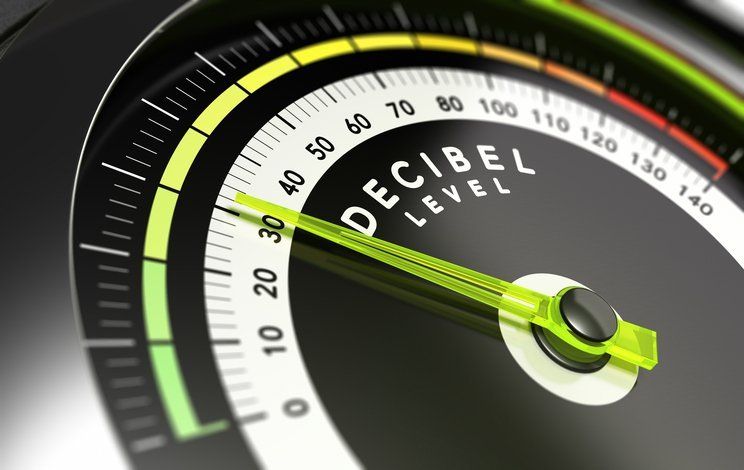
Common Misconception “If I had a hearing impairment, I would know it.” This is a common quote heard by many Audiologists and is not necessarily a true statement. Hearing loss often develops over an extended period of time and the onset is gradual. Our brains naturally adapt over time which is why a hearing loss can sometimes ‘sneak-up’ on people. Audiologists often counsel patients that they cannot know what they are missing if they do not hear it. There may be sounds in your world that are occurring, but you don’t notice them due to your loss; therefore, you don’t know what you are missing. Straining to listen can make it more difficult to communicate with family and friends. It can become physically and emotionally tiring to hear conversation, especially in noisy situations. -10dB to 25dB Normal to slight hearing loss: Hearing is within normal limits. Amplification is not necessary. 26dB to 40dB Mild hearing loss: Will begin to have difficulty understanding faint speech, may have some difficulty in noisy situations. Able to function without amplification, but could be useful to those who are frequently in social or noisy situations. 41dB to 55dB Moderate hearing loss: Some difficulty in group conversations, noisy backgrounds, faint speech and normal conversational speech. Occasional irritability and withdrawal from certain situations. Slight feeling of confusion in communication situations. Amplification is most likely beneficial. 56dB to 70dB Moderately-Severe hearing loss: Will frequently ask for statements to be repeated. Will definitely have difficulty in group situations, formal discussions and lectures. Will try to lip read. Will benefit from amplification in everyday situations. 71dB to 90dB Severe Hearing Loss: Hears only with amplification. Pronounced difficulties in all communicative situations. Will misunderstand many conversations. Their own speech will likely show defects and they will rely on speech reading. Will benefit from amplification in everyday situations. 91dB+ Profound Hearing Loss: May still have difficulty understanding amplified speech. May not be able to use residual hearing for communication. Amplification may allow hearing of danger signals and important environmental noises, but may still have some difficulty understanding speech. Noticeable Gestures and Questions when Someone is having Difficulty Hearing Someone experiencing difficulty hearing or understanding speech will frequently ask you to repeat. They will frequently ask questions like, “what?, I’m sorry?, pardon?, huh?, come again?, aye?, etc….” Noticeable gestures may include cupping their ear toward sounds, leaning into sounds or leaning forward. You may also notice them watching your lip movements and paying special attention to your own gestures to try to comprehend what you are saying. Unfortunately, it is not often that a person will seek help from an Audiologist or Hearing Professional on their own without prompting from their loved ones or friends. Reasons for this are because of old mis-perceived stigmas associated with the admission of a hearing difficulty. Many think it only happens if you are old and that everyone will see the hearing aid. The truth is that trouble hearing can arise from many sources including something as simple as seasonal allergies, childhood illnesses or repeated exposure to loud noises. Hearing aids today are very small about the size of a small paper clip or even smaller. Some ITE (In The Ear) hearing aids can be custom made and implanted directly into the ear canal. If you know someone who would benefit from hearing amplification, please urge them to seek help. At the very least, urge them to use hearing protection to protect what is left of their ability to hear at all. Most hearing aid companies are able to make custom ear plugs. *Source: Clark, J.G. (1981). Uses and abuses of hearing loss classification. Asha, 23, 493-500. *Source: http://www.asha.org/public/hearing/Degree-of-Hearing-Loss/ Written By: Jenae Schabel & Jennifer Drake, April 2012

Hearing evaluations are similar to having your eyesight tested yearly to check for any changes that may have occurred. If you were unable to see clearly, you would not go about your life as though you could see perfectly fine because one, others around you would know there is a problem; two, it would be difficult and; three, it could possibly even be dangerous. The same holds true with loss of hearing. The sense of hearing is one of your most important senses. Without it, you could be missing out on important words or sounds that change meaning of conversations, you could possibly not hear the car horn when crossing the road, you could miss what your granddaughter/grandson just said to you and she/he won't understand why you don't respond. It's like living with your fingers stuck in your ears. Loss of hearing can be quite devastating not just to the individual, but also to the relationships that individual has with others. If you feel as though you may be having difficulty, gauge your decision to seek help based upon the responses you are getting from your friends and loved ones. The people who are closest to you tend to notice things that you are missing before you do, especially since you may not be able to hear the sounds or words you are missing. Children should be tested prior to beginning school or even earlier, if they are experiencing difficulty learning. Most schools offer testing for free on specific dates prior to the beginning of the school year. You may also schedule an appointment with an ENT/Ear Nose and Throat doctor. Please be aware that all children with hearing loss are strictly regulated by the ISD/Intermediate School District to maintain their care and treatment in order to ensure the treatment is best suited for the well-being of the child and his/her ability to learn. Getting a hearing screening yearly, is the first step towards ensuring that your sense of hearing is working properly. Sometimes a problem hearing can be as simple as too much build-up of ear wax. If there is a loss wouldn’t you rather hear what you have been missing? Rather than missing out? What are you waiting for? Getting your hearing screened takes only about a half hour to an hour, all you have to do is: sit, listen and respond. Don't delay; get your hearing screened by a hearing professional today!

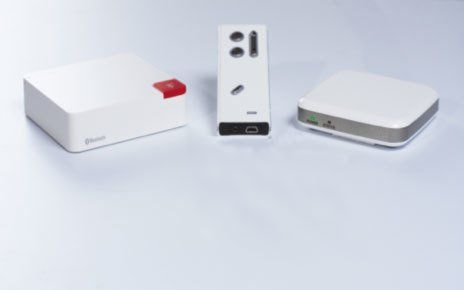
Technology is continuously getting better and better. Cell phones are getting smarter, televisions are getting bigger and brighter, and hearing aids have continued to become smarter and more natural. One of the really cool things that is now available with certain hearing aid technology is wireless connectivity. Wireless connectivity allows hearing aid users to access their cell phones, television, and portable music devices all with one remote control. Using a wireless Bluetooth connection, the hearing aid can isolate phone conversations and television programming so the user can get the clearest and most natural sound possible. The wireless connectivity allows users to operate their cell phones hands-free, and the conversation is filtered directly into the hearing aid. It also allows for comfortable television volume for friends and family, whereas the user can control the volume of the television in the hearing aid while others can have the volume at their desired level. No more arguments over the television volume! There are also options for those who have hearing aids which are not wirelessly compatible. TV Ears work like your own personal speaker, allowing the user to control the volume of the programming without disturbing others in the room. There are also telephones for the hearing impaired which provide added amplification and the ability to transcribe conversations. If you would like more information on these devices and their availability, contact a hearing professional at Bieri Hearing Specialists to get all of your questions answered.