When to Wear Hearing Protection: Noise Levels, Earplugs, and Earmuffs Explained
The world is a noisy place. From lawn equipment and power tools to concerts and other loud environments, many of us are exposed to more noise throughout the day than we realize. Noise-induced hearing loss is often preventable when you understand the risks of loud sounds and take steps to protect your hearing.
What Is Noise-Induced Hearing Loss?
Noise-induced hearing loss can result from a single exposure to an extremely loud sound, such as an explosion, or from repeated exposure to loud sounds over an extended period of time. These exposures can damage the delicate hair cells in the inner ear that help transmit sound. Once these hair cells are damaged, they do not regenerate.
How Loud Is Too Loud? Safe Decibel Levels
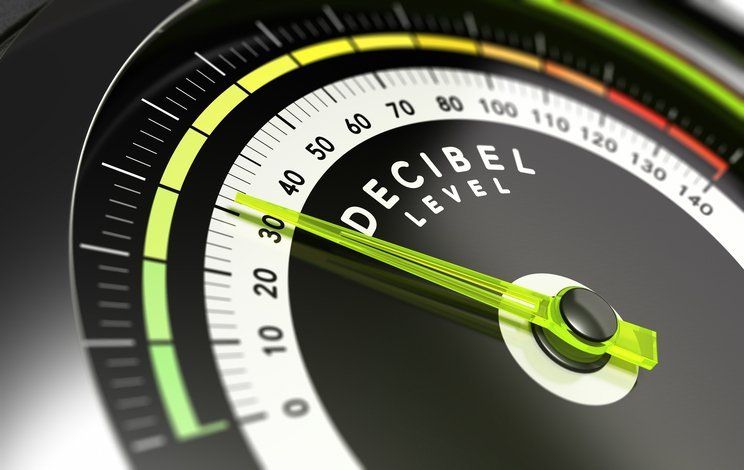
Sound is measured in decibels (dB). Sounds below 70 dBA are generally considered safe for short and long periods of time.
Exposure to sounds greater than 85 dBA, even for shorter periods of time, can put the hair cells of the inner ear at risk of damage.
If you regularly spend time around loud sounds, wearing hearing protection can help reduce your risk of noise-induced hearing loss.
Which Type of Hearing Protection Should You Wear?
Hearing protection comes in several different styles, and each type offers a different level of protection. Wearing hearing protection is better than wearing none, especially when you are around dangerously loud sounds.
Foam Earplugs
Foam earplugs and other soft earplugs can be useful for activities such as mowing the lawn, attending fireworks displays, or riding a motorcycle. When inserted and used correctly, foam earplugs generally provide about 5 to 15 dB of hearing protection.
Over-the-Ear Earmuffs
Over-the-ear earmuffs are useful for noisier activities, including using power tools, mowing the lawn, or working in construction. They can help protect your hearing during longer exposure to louder sounds.
Custom Earplugs
Custom earplugs can be made with the assistance of an audiologist. An impression of your ear
is taken so the plugs can fit securely and comfortably.
Custom plugs can be made as solid plugs for a maximum amount of hearing protection or with filters that allow you to enjoy noisy environments, such as concerts, at a safer level.
Electronic Hearing Protection
Electronic hearing protection is commonly used by individuals with hearing loss. These devices can provide amplification for a short period and then compress loud impulse sounds.
This type of hearing protection is often used for activities such as hunting and shooting.
Could You Be Experiencing Noise-Induced Hearing Loss?
If you frequently find yourself asking people to repeat themselves, having difficulty understanding conversations in noisy environments, or feeling like everyone around you is mumbling or speaking too softly, it may be worth having your hearing evaluated.
Protecting your hearing as early as possible can help reduce the risk of additional hearing loss in the future. If you spend time around loud sounds, make hearing protection part of your routine.
Sources
Hearing protection: How to choose the right gear and when to use it. (2026). Retrieved from https://heardrmichelle.com/blog/best-uses-for-hearing-protection-gear
Noise-induced hearing loss. (n.d.). Retrieved from
https://www.nidcd.nih.gov/health/noise-induced-hearing-loss