
What Is Involved In a Hearing Test?
Sarah Roggenbuck • July 13, 2016
Getting checked for a hearing problem or issue may make you feel nervous or anxious about what type of testing will be done. To check your hearing performance, a certified hearing professional or audiologist will conduct a couple of relatively easy tests. There are two tests involved in a typical hearing check - the air conduction test and the bone conduction test. Together they generate an accurate picture of how the structures and nerves in your ears are working and how well they can pick up sounds in your environment.
Both hearing tests start out with you sitting in a quiet, noise resistant chamber which eliminates even the smallest background noise. Keeping these ambient noises out of the test is important because a lot of the noises and sounds we need and want to hear can be in the same frequency ranges as that of the everyday noises around us. Having to strain to hear the sounds we are being tested for over the ambient noise would interfere with the results of your test.
Once in the room the audiologist will either place headphones onto your head or place a special speaker device directly on the skull bone behind your ears.
The headphones are used for the air conduction testing. The audiologist will begin by making tones from the low-end of the audio spectrum up to higher pitched sounds to see what you can hear. You will sit in the chamber with a trigger or thumb button to press whenever you hear a sound. This test measures how well your middle ear or ear drums function with air conducting the sound waves through your hearing organs. This test only takes a few minutes per ear and when complete the audiologist will come back in and switch the headphones for the device that goes behind your ears.
This device is for the bone conduction portion of the hearing test. During this test, in place of air bringing the tones and sounds into your ears for hearing, the skull bones behind your ears are vibrated to see if the sound is heard in the inner ear or cochlea. The test repeats in the same manner as before, with you sitting and listening for sounds, pressing the button when you hear the tone one ear at a time.
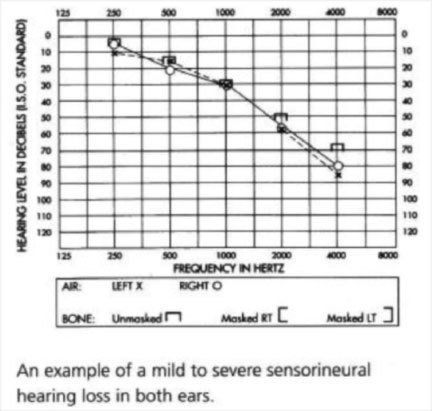
The audiologist then takes the results of the hearing tests and makes an audiogram, which is the detailed map of how each ear works in regards to hearing via the eardrum or air and via direct bone vibration. As explained by Australian Hearing, a test that shows similar hearing deficiencies through both the bone and air conduction tests indicates that there are no blockages in the middle or outer ear. The loss of hearing is then due to the sensitivity of the cochlea or hearing nerve. This type of loss is called sensorineural.
If the testing shows hearing loss, but there are differences in what the air conduction and bone conduction tests indicate, then the patient likely has a blockage in their middle ears and would need to have additional checkups with an Ear, Nose, and Throat doctor. The physician would need to determine if there is fluid present in the middle ear or perhaps a different type of defect that would need to be corrected to bring about improved hearing.
The tests are pain-free and are easy on the patient. If you feel your hearing may not be as good as it once was or you are having hearing problems, please feel free to contact the caring team of certified audiologists at Bieri Hearing. Our experienced, professional staff is happy to answer your hearing questions and put your mind at ease.

Earwax is a normal part of ear health, but too much can build up and block the ear canal. This is known as impacted or occluding cerumen, and it can cause several noticeable symptoms. Signs of Excessive Earwax Buildup 1. Ear fullness or pressure A feeling of fullness or pressure in the ear can be one of the first signs of earwax buildup. 2. Diminished or fluctuating hearing You may notice that your hearing seems reduced or that it comes and goes, which can happen when earwax partially blocks the ear canal. 3. Ear pain Excessive earwax can press against or adhere to the eardrum, which may cause discomfort or pain. 4. Ear infection A buildup of earwax can trap moisture in the ear canal, which may contribute to an ear infection. 5. Ringing in the ears Some people experience tinnitus , or ringing in the ears, when earwax is blocking the ear canal. Unsafe Earwax Removal Methods: Skip the Q-Tips and Ear Candles When earwax becomes bothersome, it can be tempting to try to remove it yourself. Unfortunately, some common earwax removal methods can cause more harm than good. Ear candling is not a safe way to remove earwax. It can leave candle wax in the ear canal or on the eardrum and may cause burns or other injuries. Q-tips can also push wax farther into the ear canal and, if inserted too deeply, can injure or even rupture the eardrum. If you think you have excessive earwax buildup, professional earwax removal is the safest option. A trained provider can safely remove the buildup and check the health of your ear at the same time. When it comes to your ears, skip the candle and leave the wax removal to the professionals.

An audiogram is a hearing test that measures the softest sounds you can hear across a range of frequencies, or pitches. During the test, you’ll listen for beeps at different frequencies from 250 to 8,000 Hz and respond when you hear them. Your audiogram plots your hearing thresholds at each frequency and gives your audiologist a clearer picture of how well you hear different sounds. An audiogram is one part of a broader hearing assessment. Depending on your needs, your audiologist may perform several types of testing to better understand how your ears are functioning. What Does an Audiogram Measure? Your visit may include several different tests, each looking at a different part of your hearing system. Air conduction testing measures how well you hear sounds as they travel through the outer, middle, and inner ear. This is what produces the air conduction results on your audiogram. Bone conduction testing helps evaluate how the inner ear is functioning by sending sound vibrations directly to the inner ear, bypassing the outer and middle ear. Tympanometry looks at middle ear function, including how the eardrum is moving. This can help identify potential concerns involving the middle ear. Speech testing looks at how well you hear and understand speech. This may include a speech recognition threshold (SRT), which measures the softest level at which you can understand speech. Your audiologist may also perform word recognition testing to see how accurately you can understand individual words at a comfortable listening level. Additional testing may be recommended depending on your hearing concerns and what your audiogram shows. Why Is an Audiogram Important? An annual audiogram is helpful to have on file because it shows how your hearing thresholds change over time. While hearing needs vary from person to person, we generally do not recommend going more than two years without an updated hearing test. Comparing audiograms year over year helps us verify that your hearing is stable. If we do notice changes, we can discuss what those changes mean and whether more detailed testing or treatment options may be appropriate. Untreated hearing loss can also be a contributing factor to cognitive decline in adults over the age of 65. Staying informed about your hearing can help you recognize changes and make informed decisions about your hearing care. Schedule an appointment today to establish your baseline and keep track of your hearing over time.

Understanding Online Hearing Tests Online hearing tests are a basic assessment of your hearing health that can come in two forms: a questionnaire or a simplified test using headphones and/or your computer. Many options are available for you to be able to complete a hearing test online. However, before you consider an online hearing test, there are some things to consider. Pros and Cons On one hand, online hearing tests are convenient and accessible. You can complete them almost anytime and anywhere. They may help identify potential mild to moderate hearing loss. Online hearing tests completed with beeps and tones may also help you understand the area or frequency of hearing loss that you may be struggling with. They may also help identify if you have an asymmetry (difference between your ears) that you may not have known about. On the other hand, online hearing tests can also provide some drawbacks. Online hearing tests are limited and may not provide an accurate assessment of your hearing abilities or overall hearing health and hearing care needs. They can’t determine the reason for your hearing loss or diagnose underlying hearing conditions such as, earwax, medical condition, medical conditions, or other underlying issues. Additionally, online hearing tests do not assess your understanding of speech in quiet and background noise. Importance of Comprehensive Hearing Evaluations with an Audiologist at Bieri Hearing Specialists A comprehensive hearing evaluation with an audiologist will provide more information regarding your hearing health and needs. At Bieri Hearing Specialists, our comprehensive hearing evaluations for adults experiencing hearing loss or hearing difficulties include an assessment of your ears for wax or other visual concerns, comprehensive case history, tinnitus questionnaire, tympanometry (assessment of eardrum), pure tone air and bone frequencies, speech understanding in quiet and in noise, hearing handicap assessment, and dexterity screenings. What really matters is getting a clear picture of your hearing difficulties or hearing loss. Think of an online test as taking a picture of your current hearing problem, but it's a little blurry. An audiologist can help you complete that picture and make it clearer by filling in some of the blanks that an online hearing test would not be able to provide. There is a Time and Place There is an appropriate time and place for online hearing tests as an initial hearing screening. They are a great tool for starting your hearing journey and recognizing possible hearing loss. Always remember, like any other medical profession, it is always important to talk to the professional, in this case an audiologist. Our audiologists at Bieri Hearing Specialists are always here to help you and provide the best professional hearing healthcare including comprehensive hearing evaluations and hearing tests, possible. Source: "Online Hearing Tests: How Reliable Are They?" Rhodes Center for Better Hearing , 15 Jan. 2025, https://better-hearing.com/online-hearing-tests-how-reliable-are-they/. Source: Godman, Heidi. "Should You Try a Do-It-Yourself Hearing Test?" Harvard Health Publishing , 1 Sept. 2024, https://www.health.harvard.edu/healthy-aging-and-longevity/should-you-try-a-do-it-yourself-hearing-test

Is it TIN-ih-tus or tin-NIGHT-us? This is a very common question I receive on a regular basis at Bieri Hearing Specialists. The answer is that both pronunciations are acceptable! I wish that everything regarding the topic of tinnitus (also known as ringing in the ears) were just this simple to address. We do know that the cause of almost all tinnitus can be traced to dysfunction along our hearing system. Some of the most common triggers include age-related hearing loss (presbycusis), noise-induced hearing loss from exposure to loud noise, head or neck injuries, temporomandibular joint (TMJ) disorder, specific medications that can be toxic to the ear, and even earwax blockage that may contribute to tinnitus symptoms. Researchers are still working to fully understand tinnitus, but it is thought that when the hearing pathway (auditory system) is disrupted, the brain adapts by creating new neural connections, leading to the development and persistence of tinnitus. Please know that you are not alone if you have tinnitus or ringing in the ears. According to the American Tinnitus Association (2022), over 50 million people in the United States experience this condition, with about 2 million having severe, debilitating tinnitus. So, why are some individuals so distressed by their tinnitus and others not so much? I explain to our patients that the brain’s emotional center can influence how noticeable or bothersome tinnitus feels. Stress and anxiety are often linked to the onset of tinnitus, and many patients can relay specific details about the day and circumstances when their tinnitus first became noticeable and began affecting their hearing health . While it is a common condition, an individual’s perception of tinnitus can vary widely. Common tinnitus symptoms include varying loudness levels, pitch and general quality (ringing, buzzing, hissing, whistling or humming) in one or both ears. Many people report that it is harder to hear because of their tinnitus and the hearing loss that often accompanies it. Individuals feel like they must strain to hear over the internal noise in their heads to communicate with others. A comprehensive hearing evaluation can help determine whether hearing loss is contributing to their tinnitus. At Bieri Hearing Specialists, we are here to help. Contact us today. Source: American Tinnitus Association. (2022). Why Are My Ears Ringing? https://www.ata.org/about-tinnitus/why-are-my-ears-ringing/
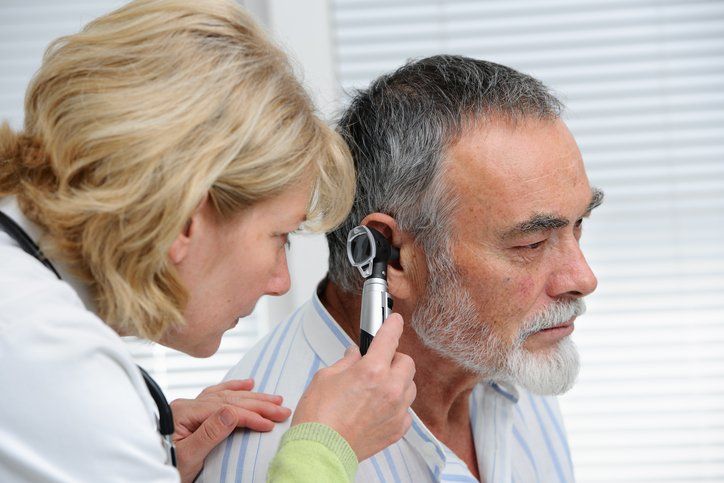
Have you ever gotten your hearing checked, or if you have, has it been several years since your last checkup? For most people without any significant hearing issues, annual hearing checks are a low priority. However, this is not the best way to preserve your hearing. Doctors suggest getting an annual hearing screening after you turn 21, before any issues start to arise. Some doctors perform simple checks during physicals, but seeing a specialist will give you an added benefit. A hearing screening is more in-depth than a regular test. This screening actually tests you to see if you need additional evaluation afterward. Thanks to the simple pass/fail system, you’ll know right away if you need additional screening. If you’re concerned about your hearing, receiving a screening will be your best option. What leads to hearing loss? Hearing loss is the third most common health problem in the U.S. In fact, according to the Better Hearing Institute , up to 30% of people over age 60 experience hearing loss. Certain medical conditions, such as diabetes and heart disease, have been linked to hearing loss. But mostly, people lose their hearing from everyday life and noises. There are few cures for hearing loss, which means that prevention is the key. Having a hearing screening every year is ideal to ensure that your hearing is working well and address any small issues before they become big ones. Musicians, miners, soldiers, carpenters and farmers are just a few of the people who often experience hearing issues. Those who frequently take antibiotics, chemotherapy, aspirin, loop diuretics, erectile dysfunction medication, and other medications are also at risk. If you believe you might be at risk for hearing loss, the best option is to catch it early on and learn more from your doctor. The staff at Bieri Hearing Specialists can help you prevent hearing loss with our hearing screenings. Contact us to schedule an appointment today.
Hearing loss stems from a variety of causes. Exposure to loud noise is a well known cause, but what else impacts hearing loss?
As you age, your hearing starts to decrease, but prolonged loud noise will also aid to hearing loss. When the tiny hair cells in your inner ear are damaged, it’s virtually impossible to repair them, which leads to hearing loss and deafness. It is essential that you prevent noise-related damage that is caused from loud noise as much as possible. If you work in an industry that is loud, you must wear correct ear protection to protect your hearing. You can also come and get hearing screenings periodically to check on your hearing and talk with our hearing specialists about ways to protect your hearing. Tips for Safer Listening Use earplug/protection on the job: If you work in construction, you must wear ear protection at all times while on the jobsite. Use the 60:60 rule: while listening to music, play it at 60% maximum volume for no longer than 60 minutes a day. Be careful in the car: keeping your windows up while listening to music creates a confined space that can hurt your ears. Try turning the volume down. Give your ears a rest: your ears may need up to 16 hours of quiet to recover from a loud night at the bar or at a concert. Take some time to let your ears rest will help you from experiencing hearing injuries. Don’t use cotton swabs: never stick a cotton swab into your ear canal. Your ears are self-cleaning organs and wax in your ears is normal. Here at Bieri Hearing Specialists, we want to protect you from hearing loss. Please get educated on the steps you can take to lessen your chances of having hearing loss. If you have any questions or want to learn more, feel free to call our office to talk with our hearing specialists. We look forward to hearing from you soon.

Hearing ringing, buzzing, clicking, or hissing sounds when no external sound is present are signs of tinnitus. These sounds can come and go, or be bothersome all the time. This health condition is commonly caused by age-related hearing loss, exposure to loud noises, earwax blockage, or abnormal bone growth. Some less common causes include Meniere’s disease, TMJ disorder, head injury, neck injury, and acoustic neuroma. Tinnitus can negatively impact your quality of life, so it’s best to see a hearing specialist. In the meantime, there are coping strategies you can try: Avoid Irritants Excessive noise, nicotine, caffeine, alcohol, and aspirin can aggravate tinnitus. If you work in a loud environment, wear ear protection to minimize your exposure to loud sounds. Relax A white-noise machine with soothing sounds of a waterfall, ocean waves, birds, etc. can help you relax and fall asleep. A fan will do in a pinch. If sound is what helps you, ask us about Oto instead: it is a therapeutic sound program set up for your own hearing and your own tinnitus, with a sleep course built in, and you follow it at home on your phone. Try Hearing Aids Since hearing aids amplify other sounds, they can draw attention away from the tinnitus. Talk to us about how hearing instruments can be helpful. Manage Stress Stress can intensify tinnitus symptoms, so take some time to devote yourself to stress management techniques. Whether it’s getting a massage, going to a yoga class, or taking a walk, stimulating endorphins can help. The best way to address any hearing problem is to sit down with hearing specialists, like us, for a hearing screening. At Bieri Hearing Specialists in Saginaw, MI, audiology is our area of expertise. Together, we can discuss your tinnitus symptoms, possible causes, and coping mechanisms to try and relieve you of any discomfort.
If you have suffered hearing loss in one or both ears and don’t like the idea of wearing traditional hearing aids, Bieri Hearing Specialists can provide you with hearing screenings to determine if Cochlear Implants are right for your needs, in lieu of traditional hearing instruments. Our audiology experts are dedicated to making sure you get the right solutions for your hearing loss problems. Cochlear Implants are state-of-the-art devices that transmit signals that stimulate the cochlear nerve and improve your hearing. Cochlear Implants work by bypassing the peripheral auditory system, picking up sounds and sending the appropriate signals directly to the cochlear nerve, creating the impression of sound. Most Cochlear Implants consist of the following components: External One or more microphones to pick up sounds in the environment around you. A processor that works to filter sounds, prioritizing the sounds of audible speech. A transmitter which uses electromagnetic induction to send power and signals of processed sound to the internal device. Internal A receiver/stimulator that received the speech processor’s signals and converts them into electric impulses. An electrode array embedded directly into the cochlea. The implant requires a surgical procedure and may require treatments and/or adjustments for the first few months after the procedure to ensure that everything is working properly. We can meet with you to discuss your hearing loss and determine if Cochlear Implants are right for you. Call us today to schedule your initial consultation.

Typically each battery size is the main determining factor in how long each battery will last while in use with the hearing aid. The different battery sizes are ones like 312’s, 13’s, 10’s, and 675’s you probably know what battery you’re using based on the type of hearing aid you have. Normally the bigger the batteries like the 675 and the 13’s the longer they can last.